

Beginner’s guide to understanding the odds in gambling
What Are Odds in Gambling?
Understanding odds is crucial for anyone looking to engage in gambling. Odds represent the likelihood of a particular outcome occurring and help players gauge their potential returns on bets. Essentially, they tell you how much you stand to win compared to your stake. The two primary types of odds are fractional and decimal, each offering a different way to interpret the data. For example, many players explore casino sites not on gamstop uk to find favorable options based on the odds presented.
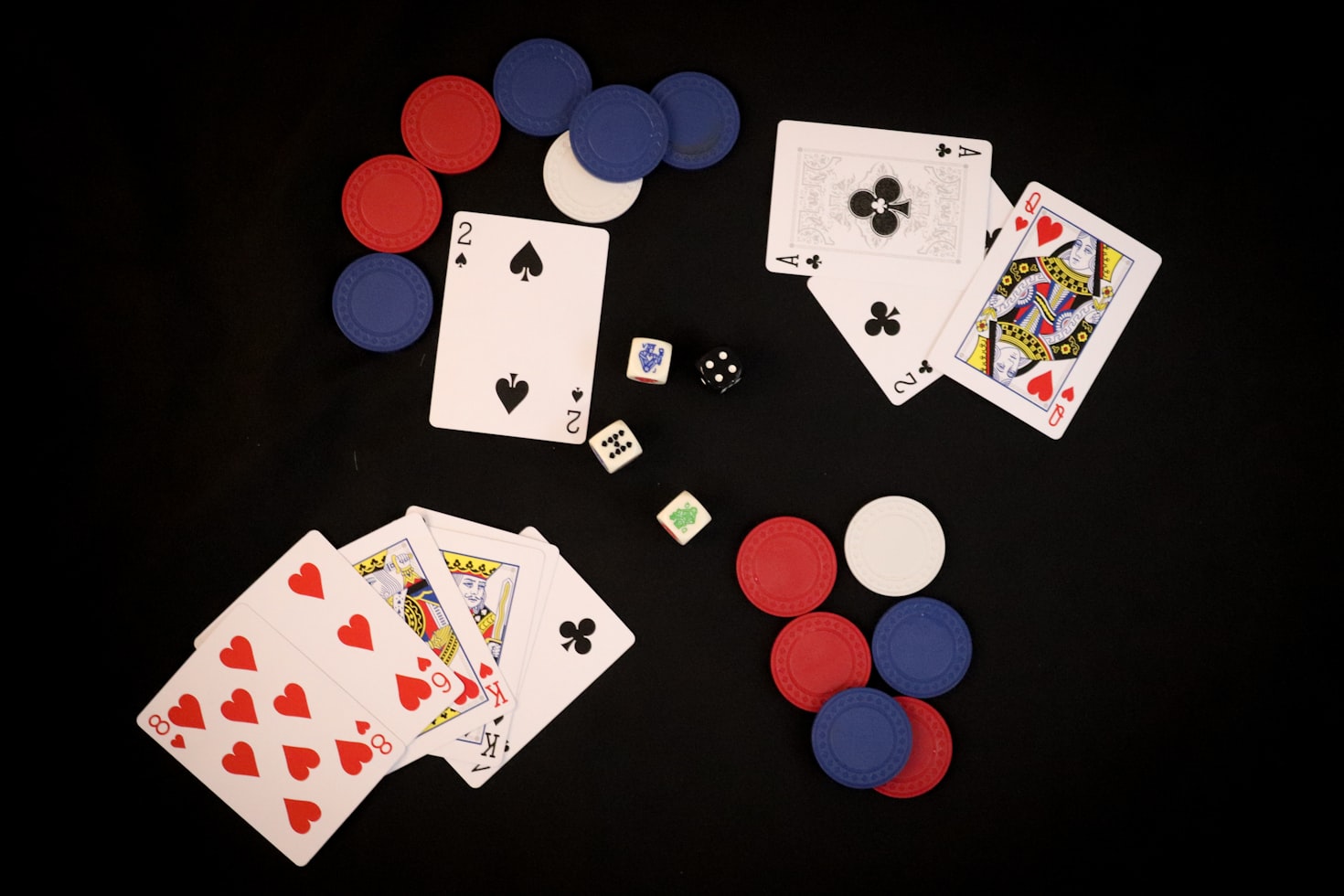
In fractional odds, the first number represents the profit you can make if you bet the second number. For example, odds of 5/1 mean if you bet $1, you would win $5 if your bet is successful. Decimal odds are more straightforward; they indicate the total amount you would receive for a successful bet, including your stake. If the odds are 6.00, you would receive $6 for every $1 wagered.
How to Calculate Your Payouts
Calculating potential payouts is an essential skill for any gambler. Whether you are placing a bet on sports or playing a casino game, knowing how to calculate your winnings can help you make informed decisions. For fractional odds, simply multiply your stake by the first number of the fraction. For instance, betting $10 at odds of 5/1 would yield a profit of $50.
For decimal odds, the calculation is even simpler. You multiply your stake by the decimal odds. A $10 bet at odds of 6.00 would result in a payout of $60, which includes your initial stake. Understanding these calculations can empower you to better manage your bankroll and set realistic expectations.
The House Edge Explained
The house edge is a term that refers to the advantage that casinos and bookmakers hold over players. This edge ensures that over time, the house will make a profit regardless of individual results. Understanding the house edge is vital for any gambler, as it helps you grasp how odds are constructed and the long-term implications of your bets.
Different games and betting options come with varying house edges. For instance, slot machines often have a higher house edge compared to games like blackjack or poker, where skill plays a significant role. By choosing games with a lower house edge, players can improve their chances of winning in the long run.
Impact of Variance and Volatility
Variance and volatility are terms that refer to the risk involved in gambling, particularly in relation to how often you can expect to win. A game with high variance may offer larger payouts, but wins will come less frequently. On the other hand, low variance games provide smaller, more frequent wins, which can be appealing for those looking to maintain a steady bankroll.
Understanding variance helps you manage your expectations and adapt your gambling strategy accordingly. High volatility games can be thrilling, but they also require a more significant bankroll to sustain longer losing streaks. Balancing your approach based on the type of game you choose is crucial for achieving success.

Enhancing Your Gambling Experience
For those seeking a deeper understanding of gambling and its odds, many resources are available. Online platforms, forums, and literature can provide valuable insights into strategies, bankroll management, and the psychological aspects of gambling. Engaging with communities can also enhance your experience, offering support and shared knowledge.
As you explore the world of gambling, remember to approach it responsibly. Understanding the odds, house edge, and volatility can significantly improve your enjoyment and outcomes. Always gamble within your means and prioritize fun over profit to ensure a positive experience.
