

The Role of Luck in Casino Games
When it comes to casino games, many enthusiasts often ponder the extent to which luck influences their outcomes. Games like slot machines and roulette heavily rely on random chance, where the result is inherently unpredictable. Players place their bets, and the outcome can swing dramatically based on pure fortune. While strategic betting can improve odds, the element of luck remains a significant player in the overall experience of gambling, especially when considering the best australian online casino options available today. Understanding this dynamic can help players navigate their expectations and approaches to various games.
Unlike table games such as poker or blackjack, where skill and strategy can be implemented to sway the results, luck dominates games of chance. For instance, in slots, players can spin the reels with the hope of landing a winning combination, but the actual mechanics behind these games are dictated by random number generators. This randomness ensures that every spin is independent, putting players at the mercy of luck. Players often find themselves caught in the thrill of the chase, where the anticipation of a potential win fuels their excitement.
However, many gamblers find solace in believing that luck can be cultivated. Superstitions surrounding lucky charms or specific rituals before placing bets contribute to this notion. These beliefs, though scientifically unfounded, create narratives of luck that can influence a player’s mindset and overall enjoyment while playing, reinforcing the psychological aspect of gambling. The hope of encountering good fortune can often enhance the gaming experience, allowing players to immerse themselves in the thrill of chance.
How Skill Meets Luck in Casino Strategy
While luck plays a pivotal role in many casino games, it’s important to also recognize the influence of skill. In games such as poker, players not only rely on luck to draw winning hands but also employ strategies that can significantly improve their chances of success. This blend of skill and fortune exemplifies how gambling can sometimes feel like a skill-based contest, especially when players compete against each other. The ability to read opponents and make calculated decisions adds layers of complexity to the game.
Many seasoned poker players hone their abilities by studying opponents’ behaviors and employing tactics that can sway the game’s outcome. For instance, managing one’s bankroll wisely and understanding pot odds are crucial skills that could lead to more favorable results. As a result, in games where skill plays a notable role, the impact of luck becomes a complementary factor, rather than the sole determinant of victory. The interplay between skill and luck creates a rich gaming environment where players can express their personalities and strategies.
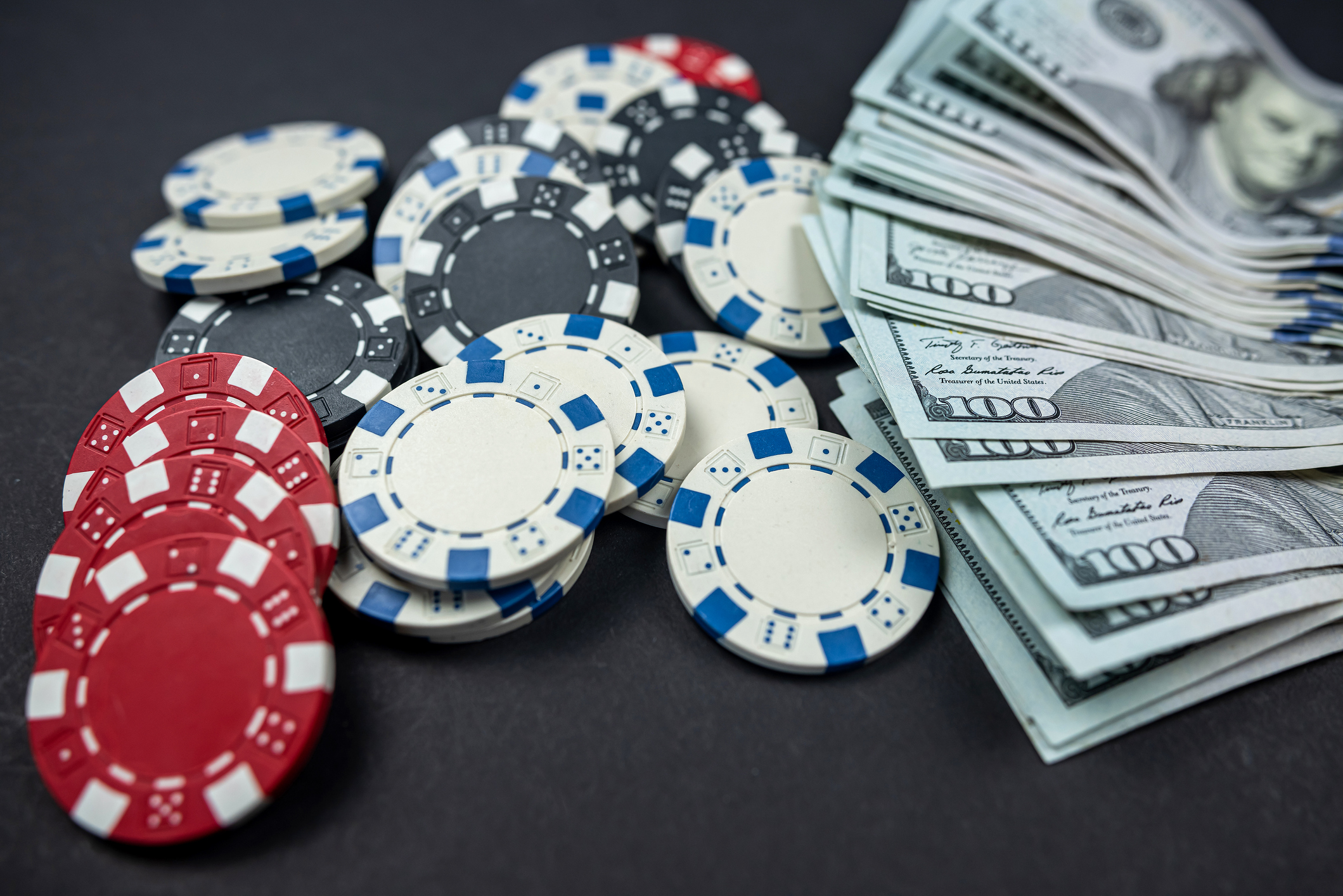
In contrast, games such as baccarat or craps emphasize luck more than skill. Players have limited choices, yet they still strive to use strategy within these constraints. Betting systems, though not guaranteed to provide consistent success, are often employed in hopes of overcoming the element of luck and providing a path to winning. This intersection of strategy and chance creates a dynamic that keeps players engaged, regardless of the odds. Ultimately, it is this blend of elements that makes casino gaming a unique experience for every participant.
The Psychological Factor of Luck in Gambling
The psychology of gambling is a fascinating aspect of the casino experience that significantly impacts how players perceive luck. Many gamblers develop emotional attachments to their luck, leading to a cycle of hope and despair. When players experience a streak of good fortune, they may believe they possess “lucky streaks” or rituals that contribute to their success. This mindset can often encourage players to risk more, driven by the thrill of potentially recapturing that luck. Understanding these psychological triggers can help players make more informed decisions at the tables.
Conversely, bad luck can lead to frustration and even irrational decision-making. Players might attempt to recoup losses by making larger bets, hoping to turn their fortunes around. This behavioral pattern often exemplifies the old adage of “chasing losses,” where players think they can outrun luck itself. Recognizing these emotional cycles is vital not only for enjoyment but for responsible gambling practices. By developing a healthy relationship with luck, players can approach their gaming experiences with a clearer mindset.
Additionally, casinos are designed to amplify the perception of luck through bright lights and engaging sounds, which create an atmosphere filled with excitement. This environment can lead players to overestimate their ability to influence outcomes through luck alone, resulting in a more invested gambling experience. In this sense, understanding the psychological component of luck can help players navigate their activities more effectively and responsibly. Emphasizing self-awareness can enhance a player’s overall enjoyment and prevent the emotional pitfalls associated with gambling.
The Odds and House Edge: Breaking Down Luck
It’s imperative to understand that while luck plays an important role in casino games, the house edge is an inescapable reality. The odds are often structured in favor of the casino, ensuring that over time, the house will win more often than players. This mathematical advantage doesn’t negate luck’s role but rather clarifies its limitations. For instance, in games like roulette, the presence of the zero (or double-zero) creates an edge that affects outcomes and players’ strategies alike. Recognizing this edge is crucial for players hoping to enjoy a sustainable gambling experience.
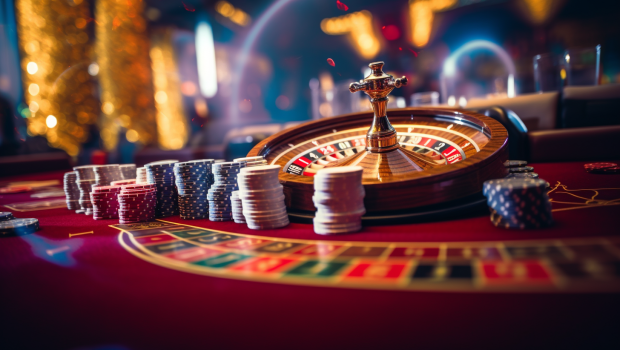
The concept of house edge consolidates the idea that while players may experience long winning streaks due to luck, the mathematical likelihood of consistent wins is skewed. This means that individuals are often advised to play responsibly, knowing that winning is not guaranteed. Understanding these odds helps players approach their gambling activities with a balanced perspective, recognizing that luck, while impactful, is only one piece of a larger puzzle. This understanding encourages a more strategic approach to betting.
Moreover, the understanding of probabilities in each game can guide players in making informed decisions about their bets. For example, betting on specific numbers in roulette offers higher payouts but carries higher risk due to lower odds of winning. By comprehending these dynamics, players can strategize their gameplay while still accepting that luck will always play its part. This informed approach can help mitigate the risks associated with gambling, allowing players to enjoy their experiences without falling victim to the whims of chance.
Understanding Luck Beyond the Casino
Luck extends beyond the confines of casinos and into everyday life. Many people attribute their successes or failures to luck, whether in business ventures, personal relationships, or health. This universal concept of luck can shape perspectives and experiences, influencing decision-making processes. The interplay between luck and personal agency highlights the complexities of life, where both chance events and deliberate actions contribute to outcomes. Understanding this broader context can help gamblers maintain perspective on their gaming experiences.
In the context of gambling, recognizing the role of luck as a part of the broader human experience can foster a healthier attitude towards winning and losing. Players should cultivate a mindset that appreciates the fun of chance while understanding the risks involved. This balance can lead to a more enjoyable and sustainable gambling experience, minimizing the emotional rollercoaster typically associated with luck. Acknowledging that luck is a shared experience can also create a sense of camaraderie among players.
In conclusion, luck is an integral factor in the world of casinos, intricately woven into the fabric of gambling experiences. While it plays a significant role in games of chance, players who combine luck with skill and an understanding of the odds are likely to experience the most rewarding adventures. By embracing the unpredictable nature of luck, players can foster a healthier relationship with their gambling activities, ensuring that the thrill remains a source of entertainment rather than a cause for distress. This balanced approach can enhance the enjoyment and satisfaction derived from casino gaming.
