

The Role of Luck in Casino Games
Luck is often viewed as a critical element in the casino environment. When players engage with games such as slots, roulette, or craps, they rely heavily on chance. The outcomes in these games are often random, governed by odds designed to favor the house. Despite strategic plays or predictions, players find themselves in a realm where their decisions have limited impact on the results, especially when exploring new betting sites australia that add to the excitement. This randomness creates an exhilarating atmosphere where the thrill of winning can sometimes seem purely dependent on fortune.
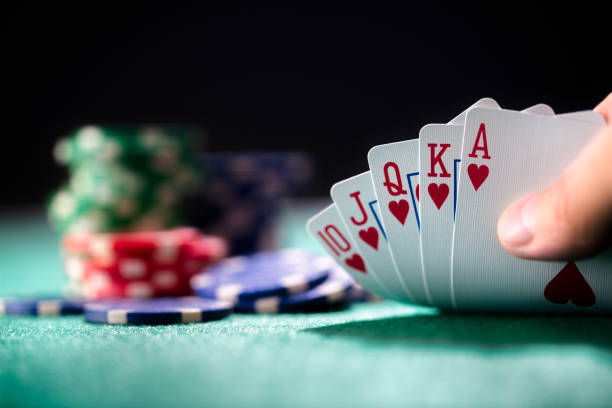
Moreover, luck can significantly influence the experience in table games as well. In poker, for instance, while skill certainly plays a role in long-term success, a single hand can be drastically altered by chance. A player might have an excellent strategy and still lose due to an unexpected draw or an opponent’s fortunate hand. This unpredictability is what draws many individuals to casinos, as they seek not only to test their skills but also to experience the highs and lows that luck can bring.
In essence, luck acts as a great equalizer in casino games. Novice players may find themselves winning against seasoned gamblers purely due to factors outside of their control. This balancing act creates an intriguing dynamic where anyone can walk away victorious on any given day, underscoring why so many are captivated by the gaming world. As players navigate through various games, understanding the role of luck can help them manage their expectations and enhance their enjoyment.
The Importance of Skill in Casino Strategy
While luck plays a significant role in casinos, the importance of skill cannot be understated. In games such as blackjack and poker, players with a solid understanding of strategies and techniques have a distinct advantage. They can make calculated decisions based on the cards they see, the actions of their opponents, and the odds of various outcomes. This knowledge allows skilled players to mitigate losses and increase their chances of winning over time, showcasing how expertise can translate into tangible success.
Skillful players also understand the nuances of bankroll management, which is crucial in maintaining longevity in the casino. By setting limits and making strategic bets, they can stretch their gameplay and increase opportunities for wins. This aspect of strategy is vital because it not only allows for a more rewarding experience but also helps in minimizing the inevitable swings that come with gambling. Knowledge of the game combined with disciplined financial management creates a more favorable environment for success.

Furthermore, seasoned players often employ psychological strategies to gain an edge over their opponents. In poker, for instance, bluffing and reading opponents become essential skills. The ability to interpret body language and betting patterns can significantly influence the outcome of a game. As such, while luck contributes to immediate results, it’s the skillful application of tactics and knowledge that often leads to sustained profitability for serious players in the long run.
The Interplay Between Luck and Skill
The relationship between luck and skill in casinos is complex and multifaceted. While some games may lean heavily on luck, others require a greater degree of strategic thinking. Even in games deemed as luck-based, skilled players can often find ways to maximize their potential outcomes. For example, a player who understands the odds in roulette may choose to place bets that offer better returns, rather than purely relying on random choices.
This interplay suggests that players should focus on both elements to enhance their gambling experience. Even in luck-driven games, incorporating skillful techniques such as understanding payout structures or managing betting strategies can yield better results. Therefore, the most successful players tend to be those who find the balance between accepting the role of chance and actively refining their skills.
Moreover, this dynamic is central to the excitement of casino gaming. The thrill of winning can come at any moment due to luck, while the satisfaction derived from outsmarting an opponent or making the right strategic decision adds depth to the experience. Players who acknowledge both the luck factor and their own skill set often enjoy a more enriched gaming journey, recognizing that the casino landscape is one where both elements coexist harmoniously.
The Psychological Aspects of Luck and Skill
The psychological components of gambling, particularly concerning luck and skill, are significant. Players often wrestle with feelings of confidence influenced by recent experiences, leading to phenomena like the “gambler’s fallacy.” This cognitive bias pertains to the belief that past outcomes affect future results, even in games of chance. Thus, a player on a winning streak may overestimate their skill or luck, potentially leading to reckless decisions.
Conversely, understanding the influence of skill can enhance a player’s approach to gambling. Those who are aware of their strengths and limitations can make informed decisions that contribute to their overall enjoyment and financial health. The ability to reflect on one’s gameplay, to analyze outcomes critically, and to recognize both lucky breaks and skillful plays enhances a player’s mindset and can foster a more disciplined gambling approach.
Ultimately, the psychological interplay between luck and skill underscores the emotional experience associated with gambling. Players experience intense highs during wins, regardless of whether they are due to skill or luck, but must also confront the lows that come with inevitable losses. Balancing these emotions is essential to maintaining a positive outlook on gambling and ensuring that the experience remains enjoyable rather than detrimental.
Exploring Resources and Insights on Gambling Strategy
For those intrigued by the complexities of luck and skill in the casino world, numerous resources are available to enhance understanding. Forums, blogs, and educational websites often provide valuable insights into strategies that can be employed across various games. By engaging with these platforms, players can learn from others’ experiences and gather knowledge that can improve their own gaming skills and strategies.
Moreover, professional coaching and tutorials have emerged as popular means for players seeking to refine their skills. Many seasoned gamblers offer services, workshops, or online courses aimed at teaching strategic approaches in games where skill can greatly enhance the chances of winning. These resources can provide in-depth knowledge and practical exercises to help aspiring players achieve their goals while navigating the unpredictable landscape of casinos.
Ultimately, leveraging these insights allows players to better appreciate the nuances of luck and skill. By continuously learning and adapting strategies based on available information, individuals can develop a more profound understanding of the games they love. This commitment to ongoing education ensures that both new and experienced players can engage in their favorite casino games with confidence and a balanced perspective on luck and skill.
